Automation in Healthcare: Tools to Streamline Processes
James Clarke ·
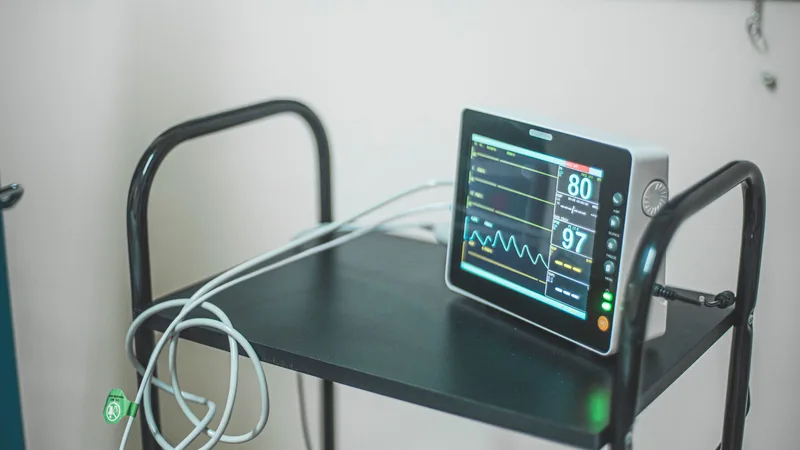
As healthcare continues to evolve, many professionals wonder how automation can enhance service delivery. What tools are available to streamline processes and improve patient outcomes? The…
Automation Tools Revolutionizing Healthcare Service Delivery
Automation in healthcare has made significant strides, particularly with tools designed to streamline processes and enhance service delivery. From managing patient records to facilitating remote consultations, these innovations have transformed how healthcare professionals interact with their patients. One of the key advancements is the integration of technology into everyday practices, which saves time and improves the accuracy and reliability of patient data management
With the rise of automation, healthcare providers can focus more on patient care rather than administrative tasks. This shift allows for greater efficiency and a more personalized experience for patients. As we explore the tools available, it becomes clear that automation is a necessary evolution in healthcare.
Electronic Health Records (EHRs)
Electronic Health Records (EHRs) play a pivotal role in improving patient data management. These digital systems allow for the comprehensive collection, storage, and sharing of patient information among healthcare providers. By centralizing data, EHRs eliminate the redundancies associated with paper records, reducing the chances of errors and miscommunication. Additionally, they provide healthcare professionals with real-time access to patient histories, enabling more informed decision-making during consultations. Quickly referencing past visits, medications, and allergies enhances the quality of care provided to patients.
Telemedicine Platforms
Telemedicine platforms are revolutionizing access to care through automation, particularly in rural or underserved areas. These platforms enable patients to consult with healthcare providers remotely, reducing the need for travel and waiting times. Features such as video calls, secure messaging, and online appointment scheduling streamline the healthcare experience. By integrating telemedicine into their practices, providers can reach a broader audience and offer timely interventions. This shift improves patient outcomes and aligns with the growing demand for convenient healthcare solutions.
Enhancing Patient Engagement Through Automation
Patient engagement is crucial for successful healthcare outcomes, and automation plays a significant role in fostering this engagement. By utilizing automated systems, healthcare providers can maintain ongoing communication with patients, ensuring they remain informed and involved in their care. Empowering patients with tools and resources enhances their overall experience and promotes adherence to treatment plans. The integration of technology in patient interactions signifies a commitment to improving health literacy and satisfaction.
Strategies that enhance patient engagement through automation can lead to better health outcomes and reduced costs. As healthcare continues to evolve, providers must embrace these technological advancements to meet patients' expectations and needs effectively.
Automated Appointment Reminders
Automated appointment reminders significantly reduce no-show rates by sending timely notifications to patients. These reminders can be delivered through various channels, such as text messages, emails, or phone calls, ensuring that patients are well-informed about their upcoming appointments. By minimizing missed appointments, healthcare providers can optimize their schedules and allocate resources more effectively. These automated systems allow patients to confirm or reschedule appointments easily, fostering a more proactive approach to their healthcare.
Patient Portals
Patient portals empower individuals by granting them access to their health information, lab results, and appointment details in one centralized location. These platforms encourage patients to take an active role in their healthcare by enabling them to manage their health records, communicate with providers, and request prescription refills. The convenience of having health information readily available fosters a sense of ownership and accountability among patients. As technology continues to advance, patient portals will likely evolve, further enhancing the patient experience.
Impact of Automation on Healthcare Workflow Efficiency
The healthcare industry is rapidly evolving, thanks to advancements in automation tools designed to enhance workflow efficiency. These innovations play a crucial role in improving patient outcomes and operational effectiveness. The integration of automated systems has redefined how healthcare providers manage their day-to-day tasks, ensuring that resources are used effectively while providing quality care.
One significant area where automation has made a substantial impact is in billing processes. By streamlining these workflows, healthcare facilities can experience improved cash flow and reduced administrative burdens. Automation minimizes human errors and accelerates the billing cycle, allowing providers to focus more on patient care rather than paperwork.
Streamlined Billing Processes
Many healthcare organizations are realizing the benefits of automation in their billing processes. Automated systems can handle claims submissions, track outstanding invoices, and manage payment reminders efficiently. This reduces the time spent on billing tasks and helps healthcare providers maintain a steady cash flow. For example, a hospital using automated billing saw a 30% decrease in billing errors over six months. Such improvements boost revenue and enhance the patient experience by ensuring that billing inquiries are resolved quickly.
Resource Allocation
Optimizing staff and resources is another area where automation shines. Automated scheduling tools allow healthcare facilities to allocate staff based on real-time demand. This means that healthcare providers can ensure that the right number of staff members are available during peak times, thus improving patient care and reducing wait times. Many hospitals have implemented these systems and reported a significant increase in patient satisfaction as a result. With automation, they can better predict patient flow, enabling more efficient use of resources.
The Future of Healthcare Automation: Trends to Watch
As we move forward, the future of healthcare automation is poised for exciting developments. Innovations in technology are paving the way for more efficient and effective healthcare delivery, with trends that promise to transform patient care. Keeping an eye on emerging technologies will be essential for healthcare providers looking to stay ahead of the curve and enhance their operational capabilities.
Among the most notable trends is the integration of artificial intelligence in diagnostics. This technology has the potential to revolutionize how healthcare professionals identify and treat conditions, leading to quicker and more accurate diagnoses. As AI systems continue to evolve, they will likely play an increasingly significant role in clinical decision-making.
Artificial Intelligence in Diagnostics
Utilizing AI to enhance diagnostic accuracy and speed is becoming a focal point in healthcare automation. Advanced algorithms analyze patient data and identify patterns that may not be immediately apparent to human practitioners. For instance, radiology departments are leveraging AI to assist in reading imaging studies, resulting in faster and more accurate interpretations. This reduces the workload for radiologists and ensures that patients receive timely treatment, which can be critical in emergency situations.
Integration with Wearable Technology
Wearable technology is changing patient monitoring and data collection in profound ways. Devices that track vital signs and activity levels provide real-time data to healthcare providers, allowing for proactive management of patient health. With the integration of this technology, patients can be monitored outside of traditional clinical settings, leading to more personalized care. The data collected from wearables can also enhance research efforts and lead to improved treatment protocols. As these tools become more sophisticated, they hold the promise of revolutionizing patient engagement and adherence to treatment plans. 🩺
Bridging Healthcare and Casino Entertainment: A Surprising Connection
The intersection of healthcare and casino entertainment might seem unusual at first glance, but there are intriguing parallels worth exploring. Both sectors aim to engage individuals, whether for health management or recreational purposes. As I explored the world of healthcare tools and resources, I noticed how gamification techniques are increasingly being applied to enhance patient engagement, making the process informative and enjoyable. This creative approach encourages patients to take an active role in their health while providing a sense of accomplishment.
Gamification leverages elements traditionally found in gaming, such as scoring systems, challenges, and rewards, to motivate patients. By introducing these concepts into healthcare apps, patients are more likely to adhere to treatment plans, track their progress, and participate in wellness activities. This innovative method can transform mundane tasks into engaging experiences, leading to better health outcomes. Imagine turning a routine check-in into a fun challenge that not only improves health but also brings a smile to one’s face.
Gamification in Patient Engagement
Implementing gamification in patient engagement can significantly improve how individuals interact with their health. For example, healthcare apps that incorporate game-like features encourage users to set goals, earn badges, and compete with friends. This friendly competition can lead to increased motivation and accountability. Patients feel a sense of achievement when they complete tasks, such as attending appointments or following a prescribed regimen. It’s fascinating to see how these principles of gaming can be applied to foster healthier lifestyles.
Internet Casino Apps as a Wellness Tool
While casino games might not be the first thing that comes to mind when considering wellness tools, internet casino apps can actually serve a purpose beyond entertainment. These apps can provide a necessary escape, offering stress relief during challenging times. Engaging with games can help individuals unwind, allowing for moments of relaxation amidst their busy lives. The thrill of a game can temporarily shift focus away from daily stresses, making them a unique tool for mental well-being. Just like a refreshing walk or a good book, a fun game can brighten your day. 🎲