Harnessing Healthcare Data Analytics for Better Outcomes
James Clarke ·
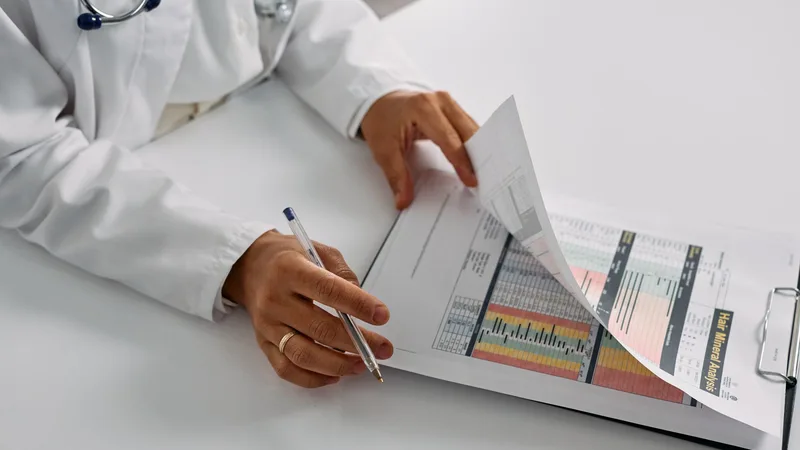
How can healthcare data analytics transform patient care and operational efficiency? This question is at the forefront of modern healthcare discussions as we strive for better outcomes. By harnessing…
The Role of Data Analytics in Patient Care Improvement
In the quest for better healthcare outcomes, the role of data analytics is significant. By harnessing technology, healthcare providers can gain valuable insights into patient needs, preferences, and overall health trends. This data-driven approach enables hospitals and clinics to tailor their services, ensuring that they meet the specific requirements of their patient populations. It's clear that the integration of data analytics into patient care can lead to improvements in treatment efficacy and patient satisfaction
Data analytics is not just about collecting information; it's about transforming that information into actionable insights. With the right tools, healthcare professionals can observe patterns and shifts in patient behavior, which can inform everything from treatment plans to resource allocation. This proactive approach enhances the quality of care and fosters a more responsive healthcare environment.
Understanding Patient Needs
One of the most significant benefits of data analytics is the ability to identify trends in patient preferences and requirements. By analyzing patient data, healthcare providers can discern what treatments resonate most with their patients and which areas require improvement. This understanding can lead to more personalized care plans, ultimately enhancing patient outcomes. For instance, a hospital might discover through data analysis that patients prefer telehealth consultations for follow-ups, allowing them to adjust their services accordingly.
Real-Time Monitoring
Utilizing data for immediate feedback on patient health metrics is another critical aspect of modern healthcare. Real-time monitoring allows healthcare providers to track vital signs, medication adherence, and other health indicators as they happen. This capability can be pivotal in preventing complications and ensuring timely interventions. For example, a patient with a chronic condition can have their health metrics monitored remotely, alerting healthcare professionals if immediate action is required. Such systems enhance patient safety and improve overall health outcomes.
Enhancing Operational Efficiency Through Data Tools
Operational efficiency is a cornerstone of effective healthcare delivery, and data analytics plays a crucial role in achieving it. By leveraging data tools, healthcare facilities can streamline their processes, reduce waste, and improve service delivery. The result is not only cost savings but also enhanced patient experiences, as resources are allocated more effectively. Adopting data-driven strategies can transform healthcare operations significantly.
When healthcare organizations embrace data analytics, they can identify inefficiencies within their systems. By pinpointing where resources are underutilized or duplicated, organizations can implement targeted changes that enhance workflow and service delivery. This optimization leads to a more sustainable and patient-centered approach to healthcare.
Streamlining Administrative Tasks
Data analytics can significantly reduce redundancy and improve workflow in healthcare settings. By automating administrative tasks, such as appointment scheduling and billing, healthcare providers can free up valuable time for their staff. This allows healthcare professionals to focus on what truly matters—patient care. For example, a clinic that implements an automated appointment reminder system can decrease no-shows and enhance patient engagement.
Resource Allocation
Using analytics to optimize staffing and equipment usage is essential for enhancing operational efficiency. Through careful analysis of patient flow and resource utilization, healthcare organizations can ensure that they have the right number of staff and equipment available at peak times. This not only improves patient care but also minimizes costs. For example, a hospital might use data to determine the busiest times in its emergency department, allowing it to allocate staff more effectively and reduce wait times. 📊
Integrating Technology into Healthcare Practices
As healthcare continues to evolve, the integration of technology into everyday practices becomes essential for improving patient outcomes. The shift towards virtual consultations powered by data allows healthcare providers to connect with patients more efficiently and effectively. Telemedicine has transformed the way we think about healthcare delivery, making it more accessible and convenient. Healthcare professionals must harness these advancements to enhance their services and ensure better patient engagement.
In addition to telemedicine, the rise of wearable devices has significantly contributed to ongoing health management. These devices empower patients to take charge of their health by providing real-time data that can be monitored and analyzed. As a result, healthcare providers can offer personalized care plans based on accurate and timely information. This transformation improves patient satisfaction and fosters a proactive approach to health management.
Telemedicine and Remote Monitoring
Telemedicine enables healthcare providers to consult with patients remotely, eliminating the need for in-person visits for non-critical situations. This approach ensures that patients receive timely care while reducing the strain on healthcare facilities. Remote monitoring tools complement telemedicine by allowing continuous tracking of patients' vital signs, which can facilitate early intervention when necessary. The use of these technologies is becoming increasingly vital as the healthcare sector aims to provide more responsive and personalized care.
Wearable Devices and Patient Engagement
Wearable devices like fitness trackers and smartwatches have revolutionized patient engagement by making health tracking accessible and user-friendly. These devices collect valuable data such as heart rate, activity levels, and sleep patterns, which can be shared with healthcare providers for a comprehensive view of a patient's well-being. By keeping patients engaged in their health journey, wearables encourage lifestyle changes and adherence to treatment plans. This shift towards self-management improves health outcomes and fosters a stronger partnership between patients and healthcare professionals.
Data Analytics Tools and Resources for Healthcare Professionals
Effective healthcare delivery relies on the ability to analyze and interpret data accurately. Data analytics tools provide healthcare professionals with the resources they need to make informed decisions and improve patient care. Choosing the right analytics software is critical for maximizing the benefits of data-driven insights. With various options available, healthcare providers must carefully evaluate their needs and select tools that align with their specific objectives and workflows.
When selecting healthcare analytics tools, consider aspects such as user-friendliness, integration capabilities, and data security. The right software should facilitate seamless data collection and analysis, empowering healthcare teams to derive actionable insights. Additionally, investing in training staff on data utilization is essential to ensure that all team members can leverage these tools effectively. This investment enhances the overall skill set of the team and contributes to improved patient care outcomes.
Choosing the Right Analytics Software
Selecting effective healthcare analytics tools requires a thoughtful approach. Start by identifying the specific needs of your practice and the types of data you aim to analyze. Look for software that offers intuitive interfaces, robust reporting features, and strong security measures. Additionally, consider scalability; the software should grow with your practice. Engaging with peers or reading reviews can provide insight into user experiences and help guide your decision-making process.
Training Staff on Data Utilization
Equipping healthcare teams with analytics skills is crucial for maximizing the potential of data-driven insights. Training should focus on how to interpret data, generate reports, and integrate findings into clinical practice. Regular workshops or online courses can enhance staff capabilities and foster a culture of continuous learning. By prioritizing staff education, healthcare organizations can ensure that their teams are prepared to leverage analytics tools effectively, ultimately leading to better patient outcomes and enhanced operational efficiency. 🌟
Connecting Healthcare Data with Casino Entertainment Platforms
The potential of harnessing healthcare data analytics for better outcomes is evident, especially as we explore the intersection with the world of casino entertainment. Both sectors are increasingly reliant on data to enhance user experiences, albeit in different contexts. Observations from casino floors reveal that the evolution of technology has transformed how operators understand their customers, similar to how healthcare providers analyze patient data. This synergy between healthcare analytics and casino entertainment can lead to innovative strategies that benefit both industries.
Data utilization is a common thread that runs through healthcare and casino environments. Just as healthcare professionals leverage analytics to identify treatment patterns and improve patient outcomes, casino operators are utilizing data to optimize player engagement and retention. The way both industries harness data can provide valuable insights into user behavior, preferences, and trends, allowing for a more tailored experience. Insights from one sector can inform the other, creating a feedback loop of improvement and engagement.
The Overlap in Data Utilization
In both healthcare and casino entertainment, data serves as a critical tool for enhancing user experience. Healthcare providers analyze patient data to tailor treatments, while casinos examine player behaviors to personalize gaming experiences. For instance, in a casino setting, operators might track which games players prefer and at what times they engage most frequently. This information allows for targeted promotions and tailored marketing strategies. In healthcare, similar analytics can identify which treatments yield the best results for specific patient demographics. The overlap in these practices demonstrates that both sectors benefit from a data-driven approach, resulting in improved satisfaction and outcomes.
Enhancing Player Engagement with Analytics
Lessons from healthcare analytics can significantly enhance player engagement in the iGaming sector. By analyzing player data, casinos can create more engaging experiences that resonate with their audience. For example, implementing personalized recommendations based on player preferences can drive retention rates. Casinos might also use predictive analytics to anticipate player needs and offer timely promotions or bonuses. Here are a few ways these lessons can be applied:
- Utilize data to personalize gaming experiences based on player behavior.
- Implement predictive analytics for tailored promotions and bonuses.
- Analyze player feedback to continuously refine game offerings.
- Monitor engagement metrics to identify trends and adjust strategies accordingly. 🎰