Wearable Tech: Tracking Your Health in Real-Time
James Clarke ·
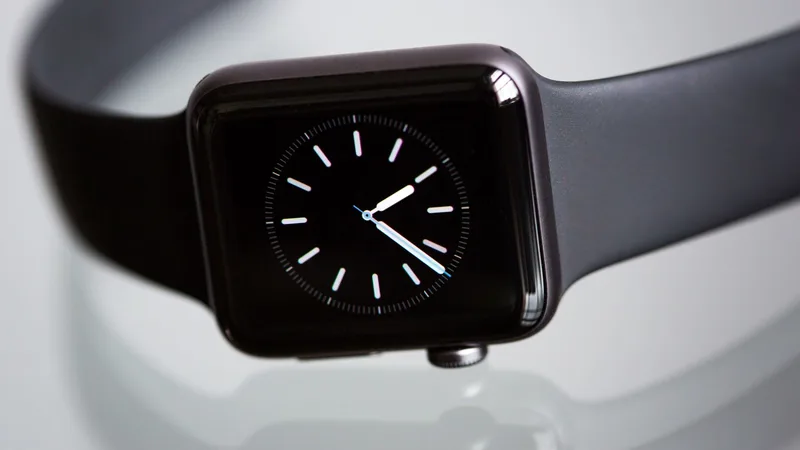
As wearable technology continues to evolve, many people are asking: How can these devices truly enhance our health management? From tracking heart rates to monitoring sleep patterns, the capabilities…
Wearable Tech: Transforming Personal Health Monitoring
Wearable technology is revolutionizing how we approach personal health monitoring, offering tools that provide insights in real time. With devices like smartwatches and fitness trackers, users can access a wealth of information about their physical condition at their fingertips. This immediate feedback helps individuals make informed decisions about their health and wellness, leading to a more proactive lifestyle. It's fascinating to witness how these innovations shape our understanding of personal health management
As these devices become more sophisticated, their integration with various health applications has increased, creating a seamless experience for users. Individuals no longer need to manually track their fitness goals or health metrics; the technology does it for them. This synergy between wearables and mobile applications simplifies health tracking and empowers users with actionable insights. The convenience of having health data readily available can influence lifestyle choices significantly.
Real-time Data and Feedback
Wearables offer real-time data that can be crucial for making timely health decisions. Whether it's monitoring heart rate during a workout or tracking sleep patterns, the insights gained are immediate and actionable. For example, a user might notice that their heart rate spikes during certain activities, prompting them to adjust their exertion levels. This kind of feedback fosters a deeper understanding of one’s body, encouraging healthier habits.
Integration with Health Apps
The collaboration between wearables and health apps enhances the overall user experience significantly. Many wearables sync with applications that track nutrition, exercise, and overall well-being, creating a comprehensive health management system. This integration allows users to set personalized goals and receive tailored recommendations. Imagine receiving a notification that suggests a walking break after sitting too long—this intelligent interaction can lead to better health outcomes.
The Impact on Preventative Healthcare Strategies
The rise of wearable technology has profoundly impacted preventative healthcare strategies, encouraging proactive health management among users. By consistently monitoring health metrics, individuals can identify potential issues before they escalate. For instance, a user might notice irregularities in their heart rate that prompt them to seek medical advice, potentially catching a problem early on. This shift towards prevention is changing how we view healthcare, making it more about maintaining health rather than just treating illness.
Wearables also play a significant role in the ongoing management of chronic conditions. They enable users to track specific health metrics relevant to their conditions, providing both the user and their healthcare providers with valuable data. This continuous monitoring can lead to more effective treatment plans and better overall health outcomes. The ability to adjust medication or lifestyle choices based on real-time data is a change for many individuals living with chronic illnesses.
Proactive Health Management
With the power of wearable technology, users are encouraged to take charge of their health proactively. By setting goals and tracking progress, individuals can stay motivated and engaged in their health journey. For example, users might set daily step goals, and achieving them can provide a sense of accomplishment and encourage further activity. This proactive approach helps in maintaining physical health while also contributing to mental well-being.
Chronic Condition Monitoring
Wearables are particularly valuable for individuals managing chronic health issues. These devices can track vital signs and symptoms, providing real-time feedback to both users and healthcare professionals. This ongoing monitoring can lead to timely interventions, potentially preventing hospitalizations or complications. The integration of technology into everyday health management offers a level of support and engagement that was previously unavailable.
The Role of Data Security in Wearable Technology
As wearable technology becomes an integral part of our lives, the importance of data security is crucial. Devices that track our health metrics—like heart rate, sleep patterns, and physical activity—collect sensitive personal information. This data, if compromised, could lead to severe privacy breaches. The balance between convenience and security is a fine line that technology developers must navigate. Consumers must also remain vigilant, ensuring that the wearables they choose prioritize data protection.
Understanding the implications of data security in wearable technology involves knowing the steps to safeguard personal health information. Here are some key considerations:
- Choose devices with robust encryption standards.
- Regularly update the device’s software to patch vulnerabilities.
- Read privacy policies to understand how your data will be used.
- Utilize two-factor authentication when available.
Protecting Personal Health Information
Data privacy is paramount when using wearable devices. As these gadgets become more sophisticated, the potential for data misuse increases. Companies are tasked with protecting users' health data against unauthorized access. Users should be proactive in managing their privacy settings and understanding how their information is shared. Effective privacy measures protect users and foster trust in the technology itself.
Regulatory Compliance
Wearable technology is subject to various regulatory frameworks designed to protect user data. In the United States, the Health Insurance Portability and Accountability Act (HIPAA) sets standards for the protection of health information. Similarly, the General Data Protection Regulation (GDPR) in Europe emphasizes user consent and data transparency. Compliance with these regulations is crucial for companies to maintain credibility and ensure the safety of their users' information.
Wearable Tech's Influence on Casino Gaming Experiences
The intersection of wearable tech and casino gaming is an evolving frontier. With the rise of internet casino apps, health tracking features can enhance the gaming experience significantly. Gamblers are increasingly looking for ways to maintain their well-being while enjoying their favorite games. Wearable devices can help monitor stress levels, hydration, and overall health, contributing to a more responsible gaming environment. This synergy between health and entertainment paves the way for a new era in gaming.
Gamblers can benefit from health tracking in several practical ways. Here are a few examples:
- Monitoring heart rate to manage excitement levels during gameplay.
- Using reminders to take breaks and stay hydrated.
- Tracking sleep patterns to ensure adequate rest before gaming sessions.
- Receiving alerts for prolonged gaming sessions, promoting responsible behavior. 🕒
Health Tracking for Gamblers
Wearable tech can revolutionize how gamblers approach their gaming sessions. By tracking health metrics, players can make informed decisions about their gaming habits. For instance, a sudden spike in heart rate might signal that it's time to step away and relax. This self-awareness promotes healthier gaming behaviors, ensuring that the thrill of the game does not come at the expense of well-being. Ultimately, integrating health tracking enhances the overall casino experience.
Integrating Wearables with Casino Apps
Casino apps are increasingly incorporating features that sync with wearable tech. This integration allows players to receive real-time updates on their health metrics while gaming. For example, a player might receive a notification if their stress levels are high, prompting them to take a break. This innovation enhances user engagement and promotes responsible gaming practices. The future of casino entertainment will likely see even more collaboration between health technology and gaming platforms.
The Future of Wearable Technology in Health and Gaming
As we explore wearable technology, it’s fascinating to see how these devices are evolving. The integration of health tracking into our daily lives has opened new avenues for healthcare tools and resources. With features that monitor everything from heart rate to sleep patterns, wearables provide real-time feedback that can help individuals make informed decisions about their health. This innovation benefits personal health management and sets the stage for future advancements that could change how we approach our well-being.
Looking ahead, the potential for predictive analytics in health management is particularly exciting. Wearable devices equipped with advanced algorithms can analyze data patterns, predicting possible health issues before they arise. This proactive approach can lead to improved health outcomes and a more personalized healthcare experience. As technology continues to develop, integrating these predictive capabilities into everyday wearables could become standard, making health management more accessible and effective for everyone.
Predictive Analytics in Health Management
Predictive analytics is already making waves in the healthcare industry, and its application in wearable technology is significant. By leveraging data collected from various health metrics, these devices can identify trends and alert users to potential health risks. For instance, a smartwatch might notice an unusual increase in heart rate during rest periods, prompting the wearer to seek medical advice. This shift from reactive to proactive health management can significantly enhance patient outcomes. Additionally, healthcare providers can utilize this data to tailor treatments and interventions for their patients, leading to a more efficient healthcare system.
Gamification of Health Monitoring
Integrating gaming elements into health tracking, known as gamification, is gaining traction as a motivational tool. Wearable devices that incorporate challenges, rewards, and social sharing can make health management feel less like a chore and more like an engaging activity. Imagine receiving a badge for completing your daily step goal or joining a competition with friends to see who can achieve the most active minutes in a week. This element of play encourages users to be more active and fosters a sense of community. As the lines between health and entertainment blur, we may see more developments in this space, particularly as it relates to online gaming and casino entertainment. 🎮